The Candy Bar That Changed How America Eats Forever
When Chocolate Meets Military Hardware
Percy Spencer was having a perfectly ordinary day at Raytheon's lab in 1945 when he noticed something that would eventually transform every American kitchen. The self-taught engineer was testing a military radar magnetron—a device that generates the microwaves used in radar systems—when he felt something warm and gooey in his pocket.
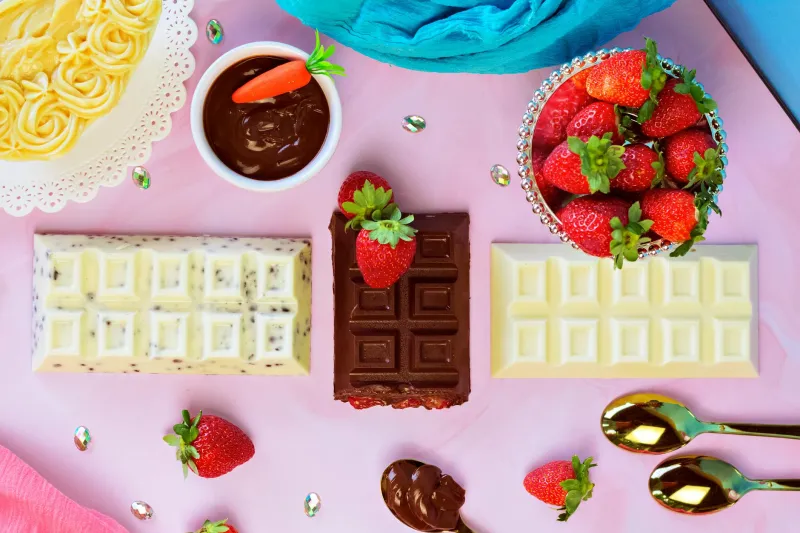
His chocolate bar had melted. Not from body heat, not from the Massachusetts summer, but from invisible waves bouncing around the lab.
Most people would have cursed, thrown away the mess, and moved on. Spencer did something different: he got curious.
The Popcorn Experiment That Started Everything
The next day, Spencer brought popcorn to work. Not for lunch—for science. He held kernels near the magnetron and watched them pop almost instantly. Then he tried an egg, which promptly exploded all over a skeptical colleague's face.
Within weeks, Spencer had built a metal box to contain the microwave energy and started cooking actual food. The first intentional microwave meal in human history was probably overcooked, definitely experimental, and absolutely revolutionary.
But here's the thing that sounds completely made up: Spencer had no formal engineering education. He'd dropped out of school at 12 to work in a mill, taught himself electronics by correspondence course, and somehow became one of the world's leading experts on radar technology. The man who accidentally invented microwave cooking had learned physics from mail-order pamphlets.
The Six-Foot-Tall Kitchen Revolution
Raytheon's first commercial microwave oven hit the market in 1947. The "Radarange" stood six feet tall, weighed 750 pounds, cost $5,000 (about $60,000 today), and required special plumbing because it was water-cooled.
Restaurants and ships bought them. Homemakers did not.
For twenty years, microwave cooking remained a curiosity—expensive, industrial, and completely divorced from how normal people prepared food. The technology that would eventually reheat leftover pizza in college dorms across America started life as a restaurant novelty that needed its own electrical circuit.
The Long Road to Your Countertop
The transformation from industrial monster to countertop appliance took decades of engineering that Spencer never anticipated. Companies had to figure out how to make magnetrons smaller, cheaper, and safe enough for people who had no idea how electromagnetic radiation worked.
The breakthrough came in the late 1960s when Amana (owned by Raytheon) introduced the first countertop model for $495. Even then, most Americans had no idea what to do with it. Early marketing focused on speed—"cooks a hot dog in 35 seconds!"—because nobody understood that this was actually a completely different way of cooking.
The Accident That Rewired Civilization
Today, microwave ovens live in over 90% of American homes. They've changed not just how we cook, but what we eat, how we work, and when we eat. The entire frozen food industry exists because Spencer's chocolate bar melted at exactly the right moment in exactly the right place.
TV dinners, Hot Pockets, microwave popcorn, the ability to eat lunch at your desk—all of it traces back to one curious engineer who noticed something weird and decided to investigate instead of ignoring it.
The Man Behind the Melt
Spencer eventually held 300 patents and received numerous awards, but he never got rich from the microwave oven. Raytheon owned his work, and he was just doing his job. He died in 1970, when microwave ovens were still luxury items that most families couldn't afford.
He probably never imagined that his accidental discovery would become so ubiquitous that "microwave" became a verb, or that future generations would consider 30 seconds an eternity to wait for hot food.
The next time you reheat coffee or defrost dinner, remember: you're using technology that exists because one man paid attention when his snack got soggy. Sometimes the most transformative inventions happen when nobody's trying to transform anything at all.