The Chocolate Bar That Accidentally Cooked Itself Into Kitchen History
When Military Technology Met a Sweet Tooth
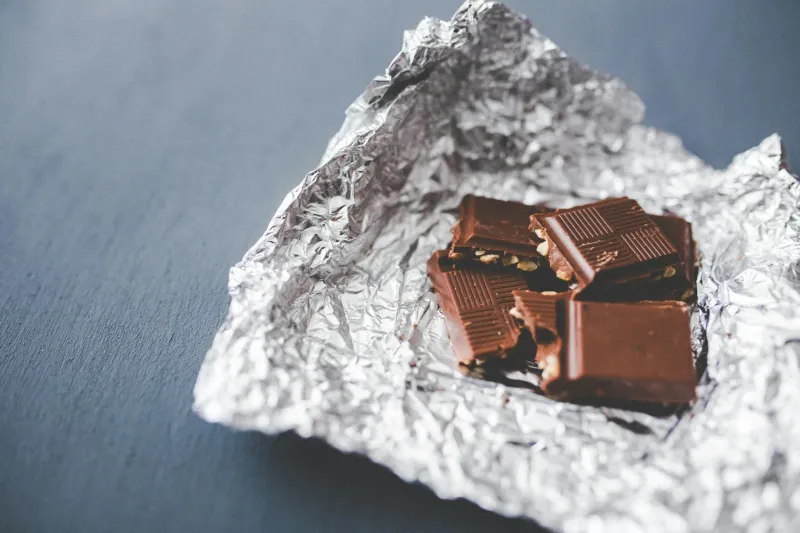
Picture this: You're testing cutting-edge military radar equipment in 1945, and you notice the chocolate bar in your pocket has turned into goo. Most people would probably curse, throw away the melted mess, and maybe file a safety report. Percy Spencer, a self-taught engineer at Raytheon, did something completely different—he got curious.
That moment of curiosity accidentally launched a kitchen revolution that would put the same device in nearly every American home within decades. The microwave oven, now as common as running water, exists because one guy decided to figure out why his snack was melting instead of just walking away.
The Accidental Discovery That Changed Everything
Spencer was working with a magnetron, the heart of radar systems that helped win World War II by detecting enemy aircraft. These devices generated microwaves—electromagnetic radiation that bounced off objects to create radar images. The military applications were obvious, but Spencer noticed something the Pentagon hadn't considered: the magnetron was cooking his lunch.
Instead of reporting a workplace hazard, Spencer did what any good engineer would do—he started experimenting. First, he tried popcorn kernels. They popped. Then he cracked an egg near the magnetron. It exploded, covering a colleague's face with cooked egg. Rather than getting fired for making a mess, Spencer had stumbled onto something revolutionary.
The microwaves were agitating water molecules in food, causing them to vibrate rapidly and generate heat from the inside out. It was completely different from conventional cooking, which heated food from the outside in. Spencer had accidentally discovered a entirely new way to cook.
From Weapon to Kitchen Appliance
Raytheon, primarily a defense contractor, suddenly found itself in the unlikely position of having invented a kitchen appliance. The first commercial microwave, called the "Radarange," hit the market in 1947. It was roughly the size of a refrigerator, weighed 750 pounds, and cost about $52,000 in today's money.
Restaurants and industrial kitchens were the only buyers who could afford these massive machines. The idea that every American family would eventually own one seemed absurd. These early models required water cooling systems and had to be installed by technicians. They were more like industrial equipment than household appliances.
The Long Road to Your Kitchen Counter
It took over two decades for microwave technology to shrink down to countertop size and reasonable prices. The breakthrough came in the late 1960s when Amana, a Raytheon subsidiary, developed the first compact microwave oven for home use. Even then, it cost about $2,500 in today's dollars and was marketed as a luxury item.
American families were initially skeptical. The idea of cooking with "radiation" spooked many consumers, despite the fact that microwaves are non-ionizing and completely safe. Early marketing campaigns had to overcome fears that microwave ovens would irradiate food or cause cancer. The technology that seemed miraculous to Spencer struck many Americans as potentially dangerous.
The Convenience Revolution
By the 1970s, microwave ovens started appearing in more American kitchens as prices dropped and sizes shrank. The real game-changer was the rise of convenience foods designed specifically for microwave cooking. TV dinners, microwaveable popcorn, and instant meals transformed the microwave from a luxury gadget into an essential appliance.
The device that started with Spencer's melted chocolate bar fundamentally changed how Americans eat. It enabled the rise of processed convenience foods, shortened cooking times, and made it possible to reheat leftovers without losing quality. The microwave didn't just cook food differently—it changed American eating habits entirely.
The Accidental Genius Behind It All
Percy Spencer never received formal engineering training. He dropped out of school at 12 and taught himself electronics while working at a paper mill. His curiosity about that melted chocolate bar earned him over 300 patents during his career at Raytheon. The company made billions from microwave technology, though Spencer himself received only a small bonus for his discovery.
Spencer's story perfectly captures the accidental nature of many great inventions. He wasn't trying to revolutionize cooking—he was just wondering why his snack melted. His willingness to investigate the unexpected, rather than ignore it, created an industry worth billions and changed how an entire nation prepares food.
Today, over 90% of American households own a microwave oven. Every time someone reheats coffee or pops popcorn, they're using technology that exists because one curious engineer decided to figure out why his chocolate bar turned to mush near a radar gun. Sometimes the biggest discoveries happen when we pay attention to the small, weird things that don't quite make sense.