When Rain Belonged to the Government: The State That Made Water Thieves Out of Homeowners
The Crime of Catching Rain
Picture this: you're standing in your backyard in Denver, watching a thunderstorm roll across the Rockies. Rain pounds your roof, floods your gutters, and pools in your driveway. You think, "Why not catch some of this free water for my garden?" So you place a barrel under your downspout.
Congratulations—you just became a criminal.
For more than 120 years, Colorado operated under a legal principle so absurd it sounds like satire: rainwater belonged to the state the moment it left the clouds. Citizens who dared collect precipitation on their own property faced fines, legal action, and the surreal experience of being prosecuted for stealing water that literally fell from the sky.
The Doctrine That Defied Common Sense
This wasn't some forgotten frontier law gathering dust in legal archives. Colorado's rainwater restrictions remained actively enforced well into the 21st century, rooted in a water rights system called "prior appropriation" that treated every droplet as part of a vast governmental accounting system.
The logic went like this: rainwater that hits your roof will eventually flow into streams, rivers, and underground aquifers. Those water sources already belonged to someone else—farmers, municipalities, or businesses—who had claimed "senior water rights" decades or centuries earlier. By catching rain in a barrel, you were essentially stealing water that legally belonged to downstream users.
State water officials patrolled neighborhoods looking for illegal rain barrels like vice cops hunting speakeasies. Homeowners received cease-and-desist orders for installing gutters that directed water into collection systems. Garden clubs became unwitting criminal enterprises.
When Bureaucracy Meets Meteorology
The enforcement reached peak absurdity during Colorado's frequent droughts, when water restrictions prohibited lawn watering while simultaneously forbidding residents from collecting the rain needed to keep their grass alive naturally. Homeowners faced the Kafkaesque choice between brown lawns and breaking federal water law.
Court cases emerged that read like legal fiction. In one instance, a Boulder resident faced prosecution for installing a rain barrel system that captured roughly 50 gallons during an average storm—water that would have otherwise flowed into storm drains and been treated as waste. State attorneys argued with straight faces that those 50 gallons rightfully belonged to agricultural interests 200 miles downstream.
The Colorado Water Court—yes, the state had an entire judicial system dedicated to H2O disputes—heard cases where engineers calculated the precise impact of residential rain collection on river flow rates. Expert witnesses testified about the theoretical effects of rain barrels on century-old water rights, as if backyard containers could somehow alter the fundamental hydrology of the American West.
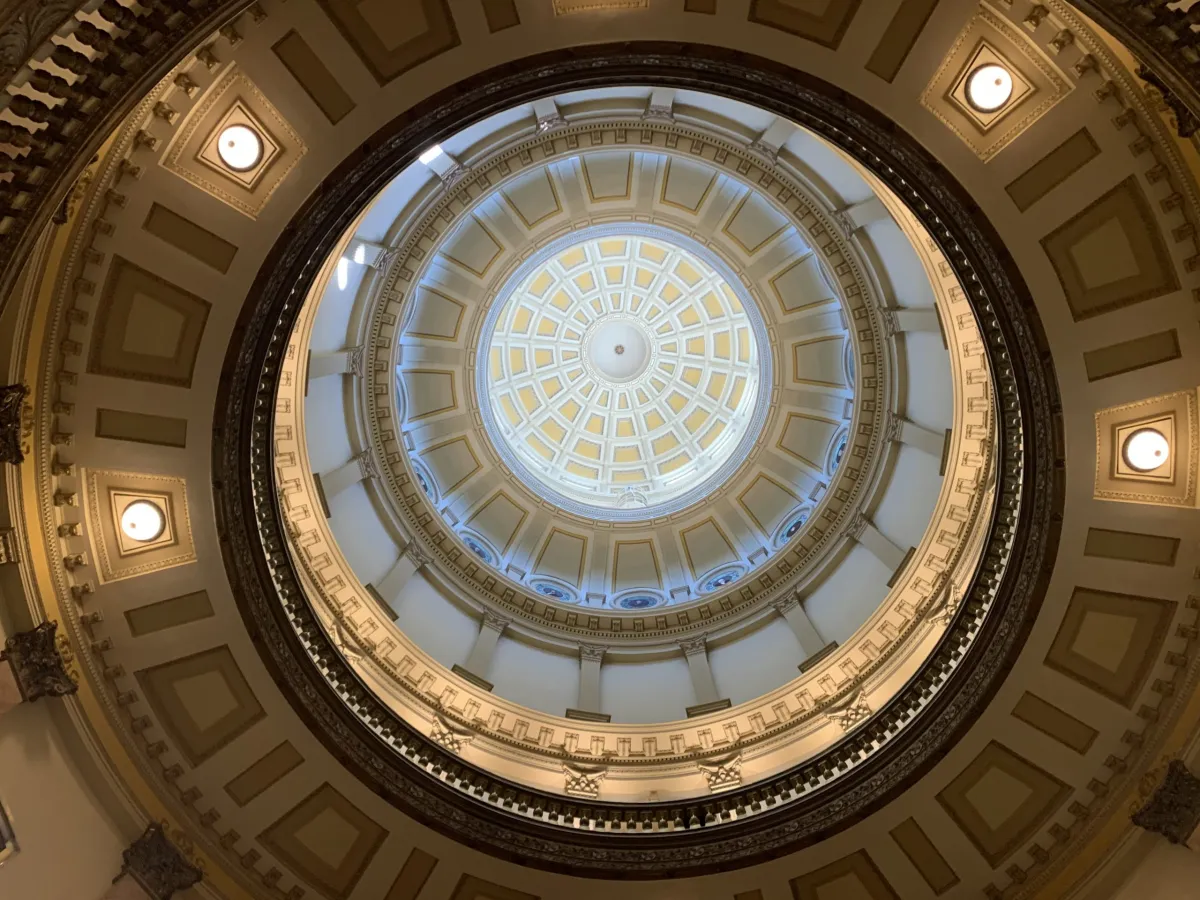 Photo: Colorado Water Court, via www.watereducationcolorado.org
The Great Rain Liberation
By 2009, even Colorado's legislature couldn't maintain the charade any longer. Facing ridicule from environmental groups, frustrated homeowners, and basic common sense, lawmakers passed Senate Bill 09-080, which grudgingly permitted limited rainwater collection.
But the law came with restrictions that would make a tax code seem simple. Homeowners could collect rainwater only from rooftops, only for outdoor use, only in containers smaller than 110 gallons, and only if their property wasn't connected to a well or irrigation ditch. The legislation included detailed specifications for barrel construction, mandatory registration requirements, and provisions allowing state officials to revoke collection permits.
In other words, Colorado didn't so much legalize rainwater collection as create a bureaucratic framework for controlled precipitation management.
The Lingering Legacy
Even after partial legalization, Colorado's relationship with rainwater remained complicated. Many municipalities maintained their own restrictions, creating a patchwork of local ordinances that varied by ZIP code. Some homeowner associations prohibited rain barrels based on aesthetic concerns, while others required architectural approval for water collection systems.
The state's century-long war against rain barrels revealed something profound about American legal culture: how easily bureaucratic logic can override basic common sense, and how property rights can become so tangled that citizens lose the ability to use resources literally falling onto their own land.
Today, most Coloradans can legally collect rainwater without fear of prosecution. But the fact that such legislation was necessary at all—that a state had to pass a law explicitly permitting people to catch rain—stands as a monument to the power of legal absurdity to outlast the logic that supposedly justified it.
Somewhere in Colorado's legal archives sit decades of court documents, enforcement records, and bureaucratic memoranda devoted to the serious business of preventing citizens from collecting water that fell from the sky. It's a paper trail that proves truth really can be stranger than fiction—and that sometimes the most unbelievable stories are hiding in plain sight inside government filing cabinets.
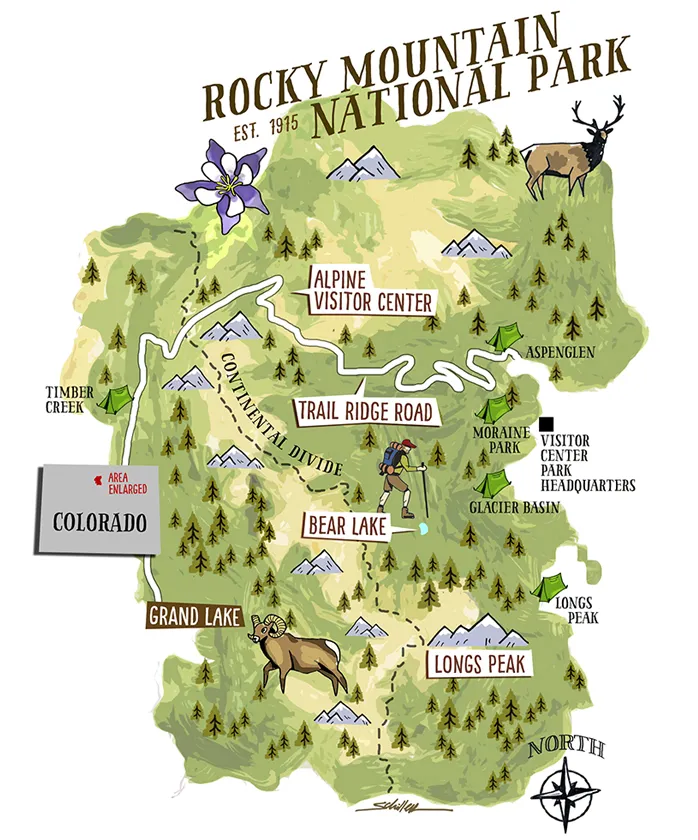 Photo: Rocky Mountains, via mapsbyscott.com