The Inventor Who Became His Own Worst Enemy: A Patent War Against Yourself
Two Patents, One Problem
In the annals of American innovation, few stories capture the absurdity of the patent system quite like Frederick Whitman's spectacular act of self-sabotage. Between 1903 and 1911, this Ohio inventor managed to patent the same basic mechanical device twice, under different names, without realizing it—then spent the rest of his life watching his two "separate" inventions destroy each other in court.
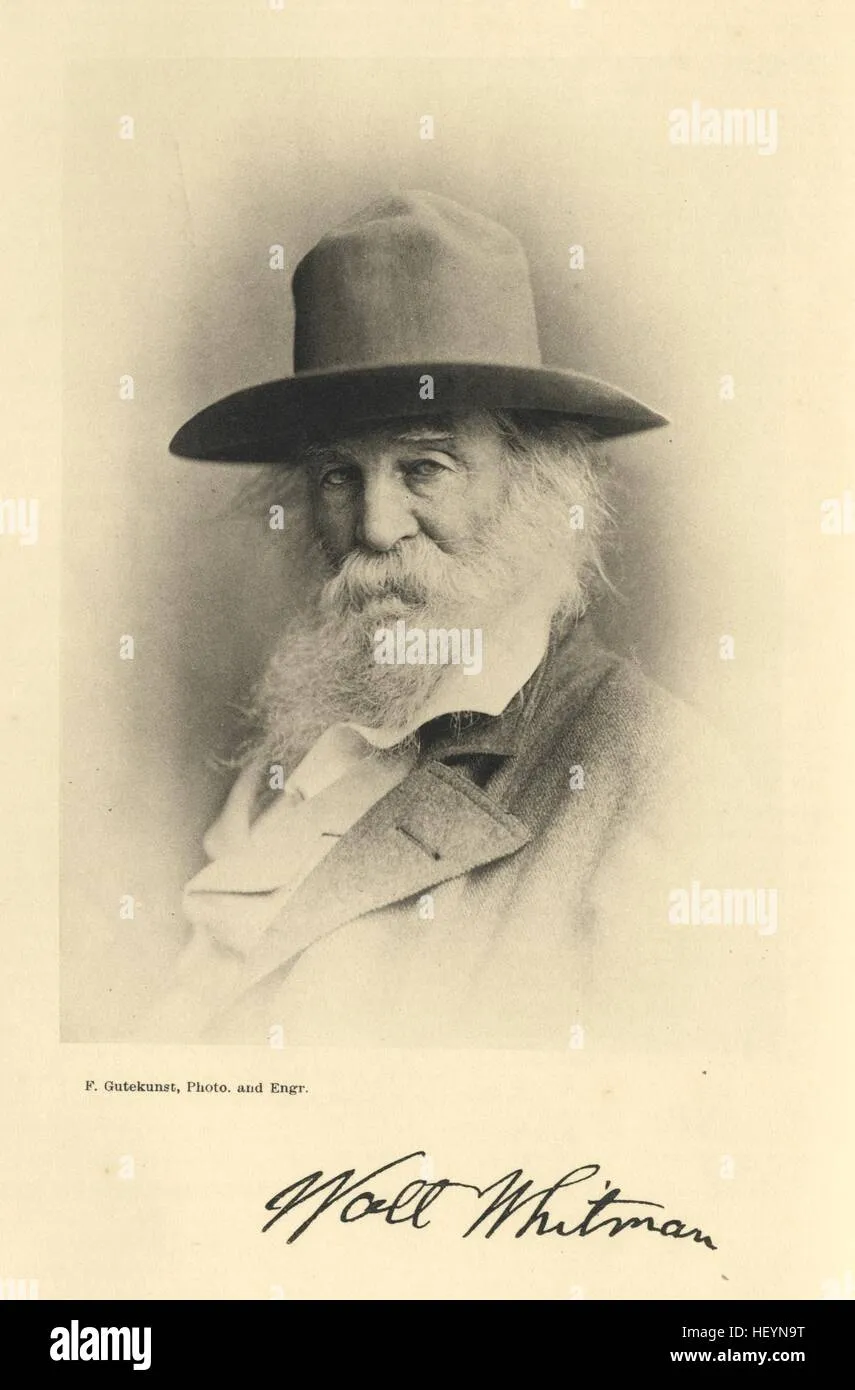 Photo: Frederick Whitman, via c8.alamy.com
What makes Whitman's story remarkable isn't just the bureaucratic comedy of errors that allowed identical patents to exist simultaneously. It's how a man could be so thoroughly defeated by his own success that he ended up owing royalties to a company built on his own earlier work.
The First Breakthrough
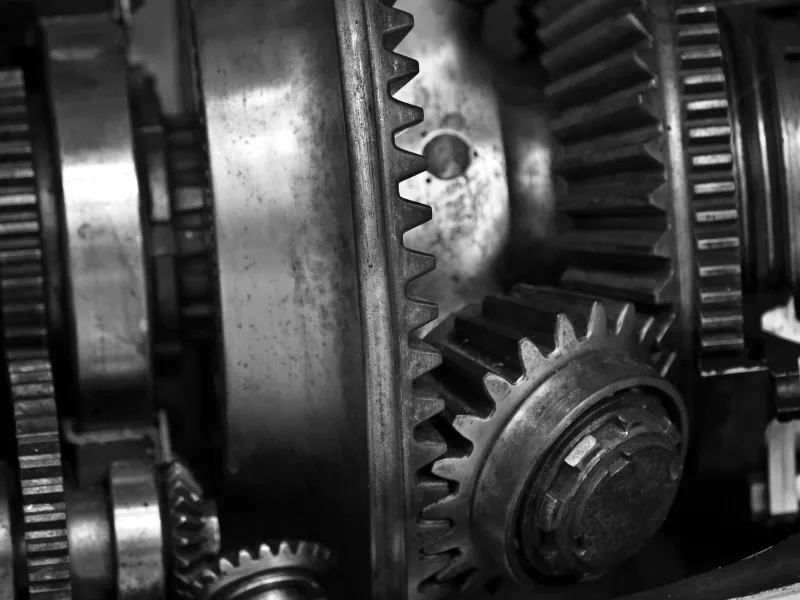
Whitman's initial patent, filed in 1903, covered what he called a "Rotational Force Multiplier"—essentially a gear system that amplified mechanical power using a series of precisely calibrated wheels and springs. The device had practical applications in early manufacturing equipment, and Whitman licensed the technology to Midwest Industrial Corporation for a modest but steady royalty stream.
For several years, the arrangement worked perfectly. Whitman collected quarterly payments while Midwest Industrial built and sold machines incorporating his gear system. The inventor used his royalties to fund further research, confident that he'd found his path to financial independence through mechanical innovation.
Then, in 1909, inspiration struck again.
Lightning Strikes Twice
Whitman developed what he believed was a revolutionary new mechanism for increasing torque in industrial machinery. He called it a "Power Enhancement Assembly" and was convinced it represented a fundamental breakthrough in mechanical engineering. The device used wheels, springs, and calibrated components to amplify rotational force—exactly like his 1903 patent, but with different terminology and slightly modified drawings.
The Patent Office, operating with the same bureaucratic efficiency that characterizes government agencies today, approved Whitman's second application without cross-referencing his earlier work. In 1911, Frederick Whitman became the proud owner of two separate patents describing functionally identical technology.
The Licensing Disaster
Confident in his "new" invention, Whitman approached several manufacturers about licensing his Power Enhancement Assembly. Cleveland Engineering Company showed immediate interest and offered generous terms: exclusive licensing rights in exchange for substantial upfront payment and ongoing royalties.
 Photo: Cleveland Engineering Company, via clevelandengineering.com.au
Whitman signed the deal and used the advance payment to establish Whitman Manufacturing, his own company dedicated to producing machines based on both his patents. For two years, his business thrived, selling equipment that incorporated elements from both the Rotational Force Multiplier and the Power Enhancement Assembly.
Meanwhile, Cleveland Engineering began mass-producing their own machines, aggressively marketing them as superior to existing technology. Their sales materials specifically highlighted the advantages of the Power Enhancement Assembly over older, "outdated" mechanical systems.
Including, ironically, systems based on Whitman's original 1903 patent.
When Patents Collide
The inevitable confrontation began in 1913, when Midwest Industrial's lawyers noticed that Cleveland Engineering's new machines seemed remarkably similar to devices they'd been manufacturing under license since 1903. They filed suit for patent infringement, claiming that Cleveland's Power Enhancement Assembly violated their exclusive rights to Whitman's Rotational Force Multiplier.
Cleveland Engineering responded by asserting that their technology was entirely different, based on Frederick Whitman's newer, more advanced patent. They counter-sued, arguing that Midwest Industrial was actually infringing on the Power Enhancement Assembly patent by continuing to manufacture outdated equipment.
Both companies demanded that Frederick Whitman testify as an expert witness—for opposite sides of the same lawsuit.
The Courtroom Revelation
The truth emerged during pre-trial depositions, when lawyers forced Whitman to explain the technical differences between his two patents. Under oath, faced with detailed engineering drawings and precise questioning, the inventor made a discovery that destroyed his business and his reputation: there were no meaningful differences.
The Rotational Force Multiplier and the Power Enhancement Assembly were the same invention, described with different words and illustrated from slightly different angles. Whitman had essentially patented the wheel twice, eight years apart, without recognizing his own work.
The legal implications were immediate and devastating. Cleveland Engineering argued they'd been deceived into licensing worthless patent rights, since Midwest Industrial already held exclusive rights to the underlying technology. Midwest Industrial claimed fraud, arguing that Whitman had violated their licensing agreement by granting competing rights to the same invention.
The Self-Inflicted Collapse
The court battle consumed three years and most of Frederick Whitman's assets. Legal fees mounted as expert witnesses dissected every component of both patents, comparing gear ratios, spring tensions, and mechanical tolerances to determine whether two identical inventions were actually identical.
In 1916, the judge issued a ruling that satisfied no one: both patents were valid, but they covered the same technology, making Whitman's licensing agreements contradictory and unenforceable. Cleveland Engineering was entitled to a refund of their licensing fees, while Midwest Industrial could continue manufacturing under their original agreement.
Whitman Manufacturing, caught between two companies with competing claims to his technology, faced immediate bankruptcy. The court ordered liquidation of company assets to pay legal fees and settlement costs.
The Ultimate Irony
Frederick Whitman ended his career owing money to Midwest Industrial Corporation—the company that had been paying him royalties for over a decade. His attempt to patent the same invention twice had triggered a legal chain reaction that transformed him from inventor to debtor, owing compensation for violating licensing agreements with his own technology.
The patent office eventually implemented new cross-referencing procedures to prevent similar situations, but the damage to Whitman was irreversible. He spent his final years working as a machinist for other inventors, prohibited by court order from developing new mechanical devices without legal oversight.
Today, both of Whitman's patents sit in the archives as a cautionary tale about the intersection of innovation and bureaucracy. Patent lawyers still cite the case as an example of how legal complexity can transform success into failure, and how sometimes the greatest enemy of an inventor's ambition is the inventor's own previous success.
The gear system that Frederick Whitman invented—once, despite what the Patent Office believed—continued to be used in industrial machinery for decades. But the royalties flowed to other people, while the man who created the technology twice learned that in the world of intellectual property, you really can compete against yourself and lose.