When Nebraska's Court System Got Served Papers for the Almighty: The Lawsuit That Made God a Legal Defendant
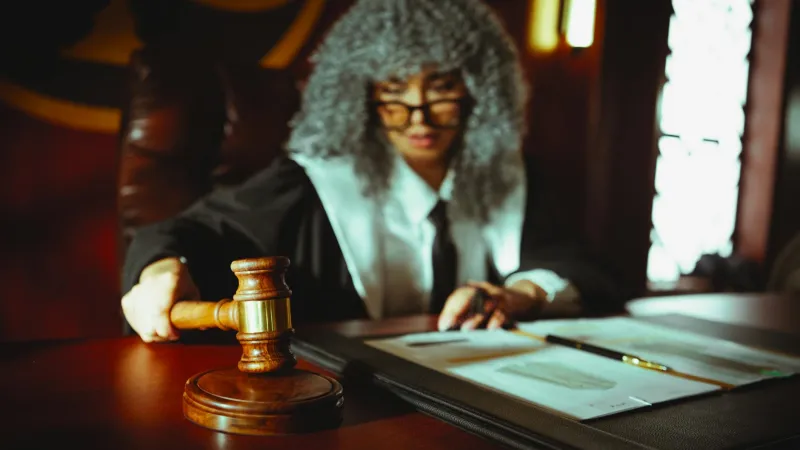
The Day God Got Sued in Nebraska
Picture this: you're a court clerk in Douglas County, Nebraska, and you've just received paperwork for a new lawsuit. The plaintiff is a state senator. The defendant? The Creator of the Universe. Your job is to serve legal papers to... well, God.
This isn't a fever dream or a legal comedy sketch. In September 2008, Nebraska State Senator Ernie Chambers walked into Douglas County District Court and filed an honest-to-God lawsuit against the Almighty himself.
The Case Against the Divine
Chambers wasn't having a mental breakdown. The 70-year-old senator, known for his sharp legal mind and theatrical political stunts, had a point to make about frivolous lawsuits clogging up the court system. But instead of writing an op-ed, he decided to drag the Supreme Being into civil court.
The eight-page complaint read like something from The Onion, but every word was legally binding. Chambers accused God of causing "widespread death, destruction and terrorization of millions upon millions of the Earth's inhabitants." The senator demanded a permanent injunction to stop the defendant from committing acts of violence, causing natural disasters, and generally making life miserable for humanity.
The lawsuit meticulously listed God's alleged crimes: floods, earthquakes, hurricanes, tornadoes, famines, pestilence, and wars. Chambers argued that these "acts of God" (yes, he used that exact legal term) constituted a pattern of harmful behavior that warranted court intervention.
Legal Scholars Scramble for Precedent
Judge Marlon Polk found himself in an unprecedented situation. How do you handle a lawsuit against an omnipotent, omnipresent deity? Legal databases don't exactly overflow with relevant case law.
The judge couldn't simply dismiss the case as frivolous—Chambers had followed proper legal procedure. The paperwork was correctly filed, the filing fee was paid, and the complaint met all technical requirements. Under Nebraska law, the court had to take the case seriously.
Legal experts across the country watched with fascination and horror. Constitutional lawyers debated whether the case violated the Establishment Clause. Theologians wondered if God could be considered a "person" under Nebraska civil procedure. Philosophy professors had field days discussing whether an omniscient being could claim ignorance of the charges.
The Almighty's No-Show Problem
Weeks passed. God failed to appear in court or file a response through legal counsel. Under normal circumstances, this would result in a default judgment against the defendant. But there was one tiny problem: the court couldn't prove that God had actually received the lawsuit.
Nebraska civil procedure requires that defendants be properly "served" with legal papers—meaning they must receive official notification of the lawsuit. Process servers typically hand-deliver documents to defendants' homes or workplaces. But where exactly do you serve papers to an omnipresent being?
Chambers argued that God, being omniscient, obviously knew about the lawsuit and was deliberately ignoring it. The court wasn't buying this theological interpretation of civil procedure.
When Divine Jurisdiction Gets Complicated
Judge Polk faced a dilemma that law school never prepared him for. The case hinged on whether God could be considered a legal "person" capable of being sued under Nebraska state law. If God qualified as a person, the court needed to establish jurisdiction—basically, proving that Nebraska had the legal authority to sue a cosmic entity.
The judge also grappled with the service problem. Court rules required providing a defendant's address for proper legal notification. Chambers suggested several possibilities: "Everywhere," "Heaven," or simply "The Universe." None of these met the court's technical requirements for a valid mailing address.
The Technicality That Saved Heaven
In October 2008, Judge Polk finally issued his ruling. The case was dismissed—not because suing God was inherently ridiculous, but because of a procedural technicality that would make any lawyer groan.
The court ruled that since God had no address where legal papers could be served, the lawsuit couldn't proceed. The judge wrote that while the court acknowledged God's existence for the purposes of the case, proper legal notification was impossible without a verifiable mailing address.
Chambers had achieved exactly what he intended. He'd exposed the absurdity of allowing frivolous lawsuits while simultaneously proving that even the most ridiculous legal action could tie up court resources and judicial time.
The Lasting Legacy of Divine Litigation
Legal scholars still cite Chambers v. God in discussions about frivolous lawsuits and the limits of civil procedure. The case appears in law school textbooks as an example of how technical requirements can supersede common sense in the judicial system.
The lawsuit accomplished Chambers' real goal: highlighting how easily the court system could be manipulated by individuals with enough legal knowledge and filing fees. His point about frivolous litigation was made more effectively than any legislative speech or newspaper editorial could have managed.
Today, the case remains one of the strangest entries in American legal history. It's a perfect example of how the intersection of law, religion, and politics can create situations so bizarre they sound fictional—but leave very real impacts on how our legal system operates.
Somewhere in the Nebraska court archives, there's still a file labeled Chambers v. God. The defendant never did show up for trial.