California Declared All-Out War on Jackrabbits in the 1800s — The Rabbits Won Every Single Time
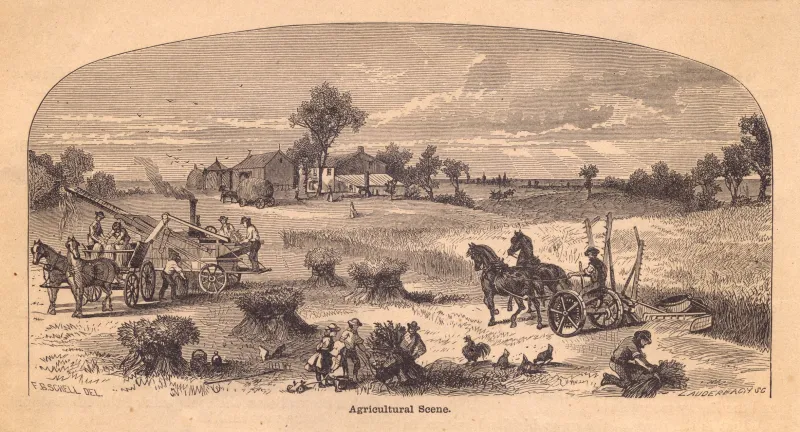
Photo: jackrabbits California farmland vintage 1800s agriculture fields, via www.thoughtco.com
Picture a field. Now picture that field moving.
That's roughly what California farmers described in the 1880s when jackrabbit populations exploded across the San Joaquin Valley and surrounding agricultural regions. The animals didn't just nibble at crops — they erased them. A single jackrabbit can consume as much food as five sheep. When they arrived in the numbers farmers were reporting, entire harvests could vanish in days.
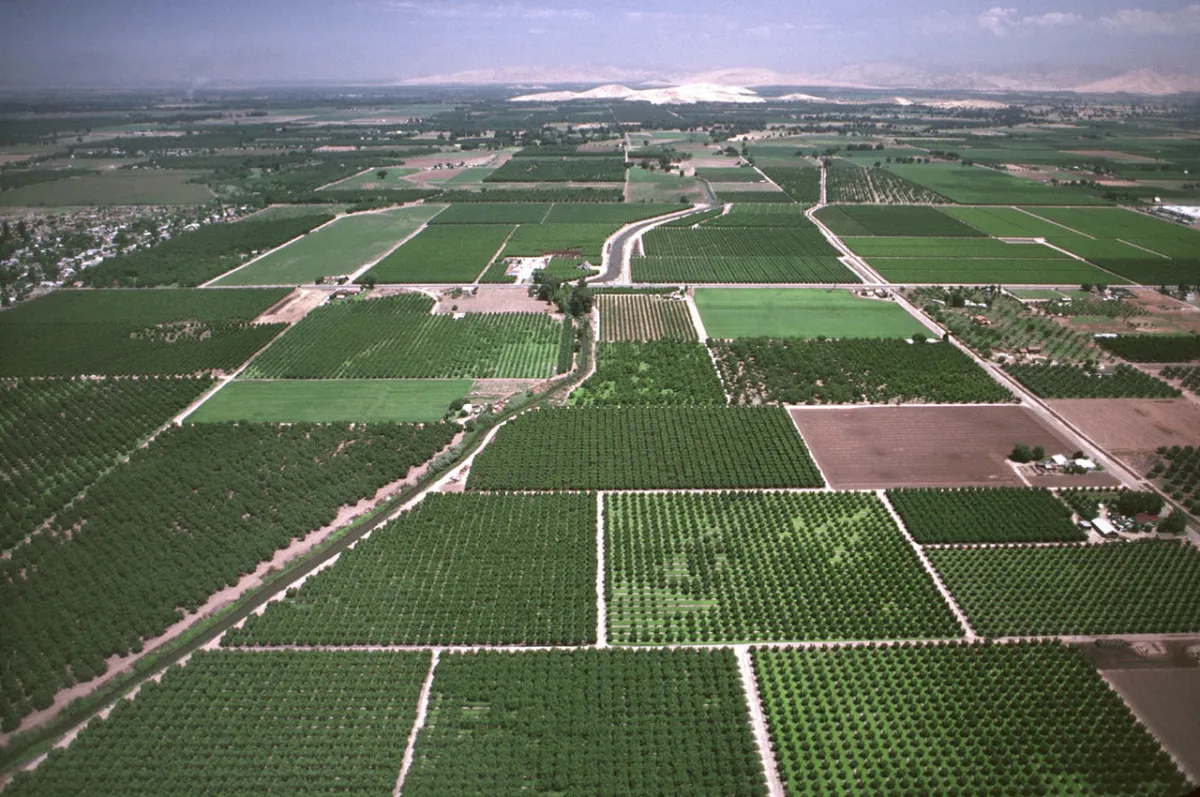 Photo: San Joaquin Valley, via www.ppic.org
Something had to be done. What followed was one of the strangest, most forgotten, and most spectacularly unsuccessful campaigns in American agricultural history.
The Invasion Nobody Saw Coming
The jackrabbit problem didn't appear out of nowhere — it was, in large part, a consequence of the very farming that settlers were trying to protect. As California's Central Valley was cleared, plowed, and planted through the 1860s and 1870s, the landscape transformed into something jackrabbits found absolutely ideal: open ground, minimal cover for predators, and an essentially unlimited food supply stretching to the horizon.
The natural checks that had kept jackrabbit populations in balance — coyotes, hawks, eagles, bobcats — had been systematically reduced as settlers moved in and treated predators as threats to livestock. With fewer animals hunting them and more food than they'd ever encountered, jackrabbit populations didn't just grow. They erupted.
By the 1880s, farmers in Kern County and neighboring areas were reporting losses that bordered on catastrophic. Grain fields were stripped. Vegetable crops disappeared overnight. Pasture grasses were grazed down to dirt. The economic damage was real and mounting, and conventional responses — shooting, trapping, poisoning — barely made a dent in populations that numbered in the millions.
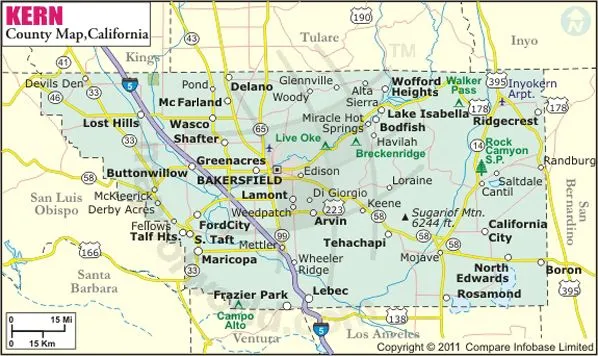 Photo: Kern County, via i.pinimg.com
So California farmers invented something new: the rabbit drive.
The Great Coordinated Slaughter
The concept was simple, even if the execution was anything but. Hundreds — sometimes thousands — of settlers would gather at the edge of a designated area and form a massive line stretching for miles. Moving in unison, they'd walk forward, driving every jackrabbit in their path toward a central convergence point, usually a large wooden corral or a fenced enclosure.
When the rabbits were packed together in numbers too dense to escape, the killing would begin. Participants used clubs, mostly — firearms were considered inefficient and occasionally dangerous in the chaos of a crowd. Contemporary accounts describe the noise, the dust, and the sheer scale of the carnage in terms that read more like battlefield dispatches than farming records.
Single drives could kill 5,000 rabbits. Some of the larger events claimed 20,000. In 1892, a drive in Fresno County reportedly killed more than 20,000 jackrabbits in a single afternoon. The dead animals were sometimes sold for fertilizer or shipped to urban markets as cheap meat, though demand was never quite enough to keep pace with supply.
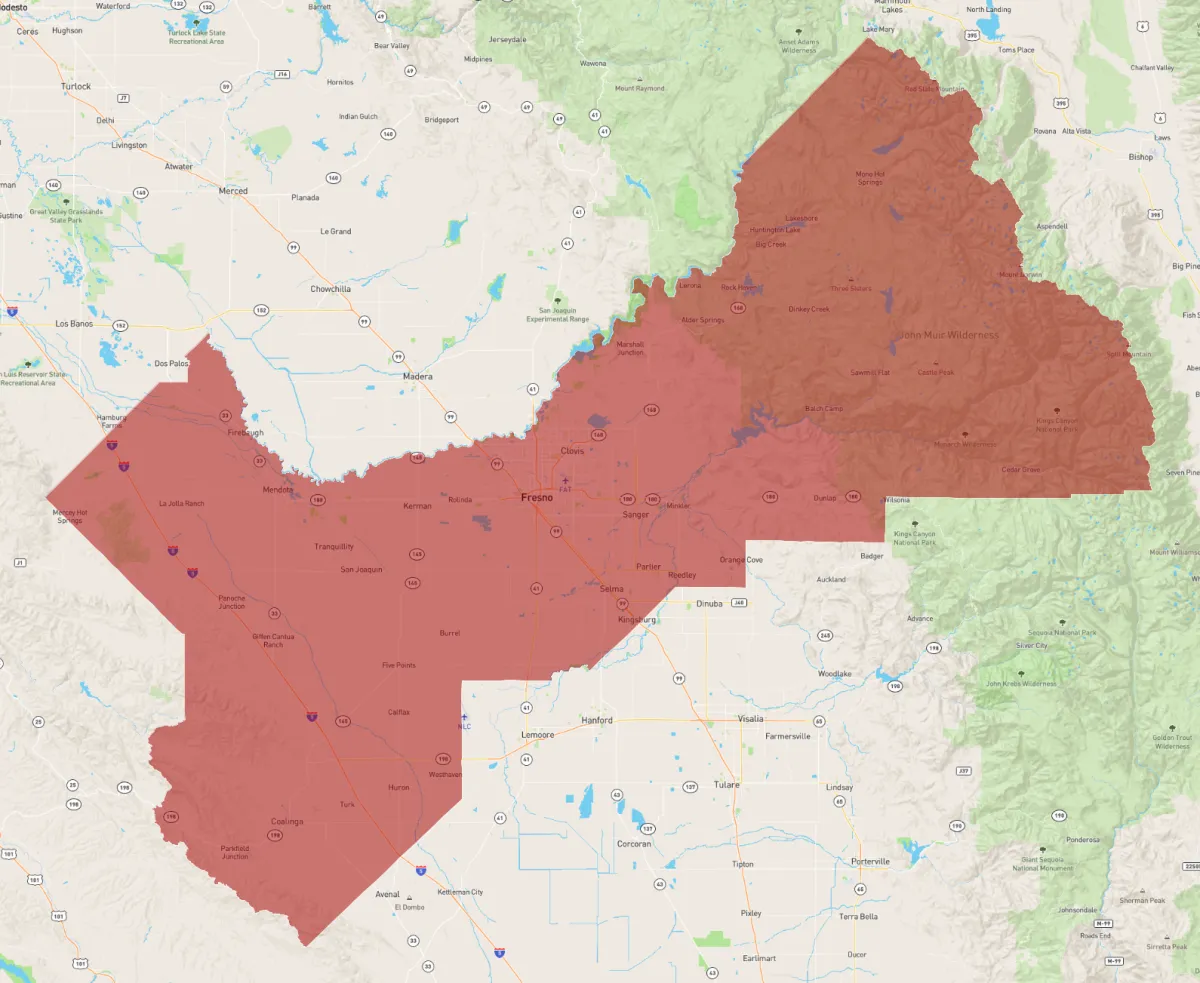 Photo: Fresno County, via www.atlasbig.com
Photographs from the era show farmers standing proudly in front of piles of carcasses so large they look almost architectural — walls of dead rabbits stacked higher than a man's head, stretching for dozens of yards. The images are deeply strange to modern eyes: festive and grim at the same time, communities coming together to do something that seemed, in the moment, like obvious common sense.
The Part Nobody Anticipated
Here's where the story takes a turn that should probably be taught in every ecology class in the country.
The drives didn't work. Not in any lasting sense. Farmers would clear a region of jackrabbits in the fall, congratulate themselves on a successful season, and then watch the population rebound — often to higher levels than before — by the following spring.
The reasons were biological and, in retrospect, entirely predictable. Jackrabbits are what ecologists call an r-selected species: animals that compensate for high mortality rates with extremely high reproductive output. A female jackrabbit can produce multiple litters per year, with several offspring per litter, and those offspring reach reproductive maturity in a matter of months. Kill 80% of a jackrabbit population and the survivors don't struggle — they breed into the vacancy with remarkable speed.
Worse, the drives may have inadvertently helped the rabbits by further suppressing predator populations. All that human activity in the fields scared off coyotes and raptors. The corrals and fencing disrupted natural movement patterns in ways that sometimes concentrated jackrabbits into areas with better food access. The harder communities pushed, the more they seemed to be optimizing the landscape for the very animal they were trying to eliminate.
An Ecological Lesson Written in Dust
The rabbit drives continued in various forms through the early 20th century, gradually fading as farming practices shifted, chemical controls became available, and the ecological reality became too obvious to ignore. They were never officially declared a failure — they just quietly stopped working well enough to justify the effort.
What they left behind was something more valuable than a dent in the jackrabbit population: a case study in what happens when human beings try to solve an ecological problem by attacking its symptoms rather than understanding its causes.
The jackrabbits were never the real problem. The landscape that had been reshaped to exclude their predators and feed their populations without limit — that was the problem. The drives were, in a sense, communities doing the most energetic possible version of the wrong thing.
The rabbits, for their part, never seemed particularly bothered.