When David Beat Goliath With a Dusty Law Book: The Montana Town That Legally Evicted a Railroad Empire
The Day Main Street Kicked Out Big Steel
Imagine waking up one morning and deciding your town would be better off without the railroad that built it. Now imagine actually making that happen — legally. That's exactly what the 847 residents of Millerville, Montana pulled off in 1912, using nothing but a musty law book and the kind of stubborn determination that built the American West.
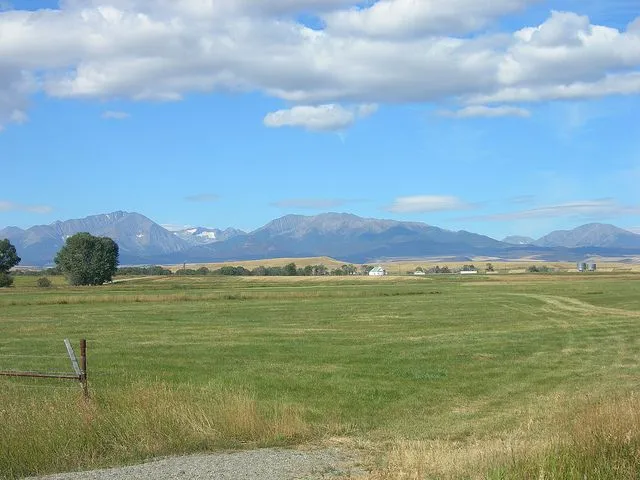 Photo: Millerville, Montana, via i.pinimg.com
The Great Northern Railway had rolled into Millerville in 1887, turning a sleepy cattle town into a bustling depot stop. For twenty-five years, the relationship worked. Trains brought commerce, jobs, and connection to the outside world. But they also brought noise, soot, and an increasingly arrogant corporate attitude that rubbed locals the wrong way.
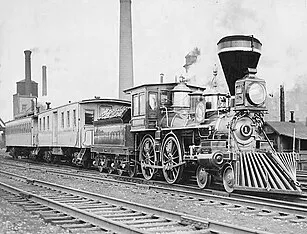 Photo: Great Northern Railway, via upload.wikimedia.org
The breaking point came when the railroad announced plans to expand their rail yard right through the town's main commercial district. No consultation, no compensation — just a corporate decree that half of Main Street would be demolished to make room for more tracks.
The Lawyer Who Loved Old Books
Enter Samuel Whitmore, Millerville's only attorney and a man with an unusual hobby: collecting territorial law books. While other lawyers focused on current statutes, Whitmore spent his evenings poring over legal documents from Montana's pre-statehood days.
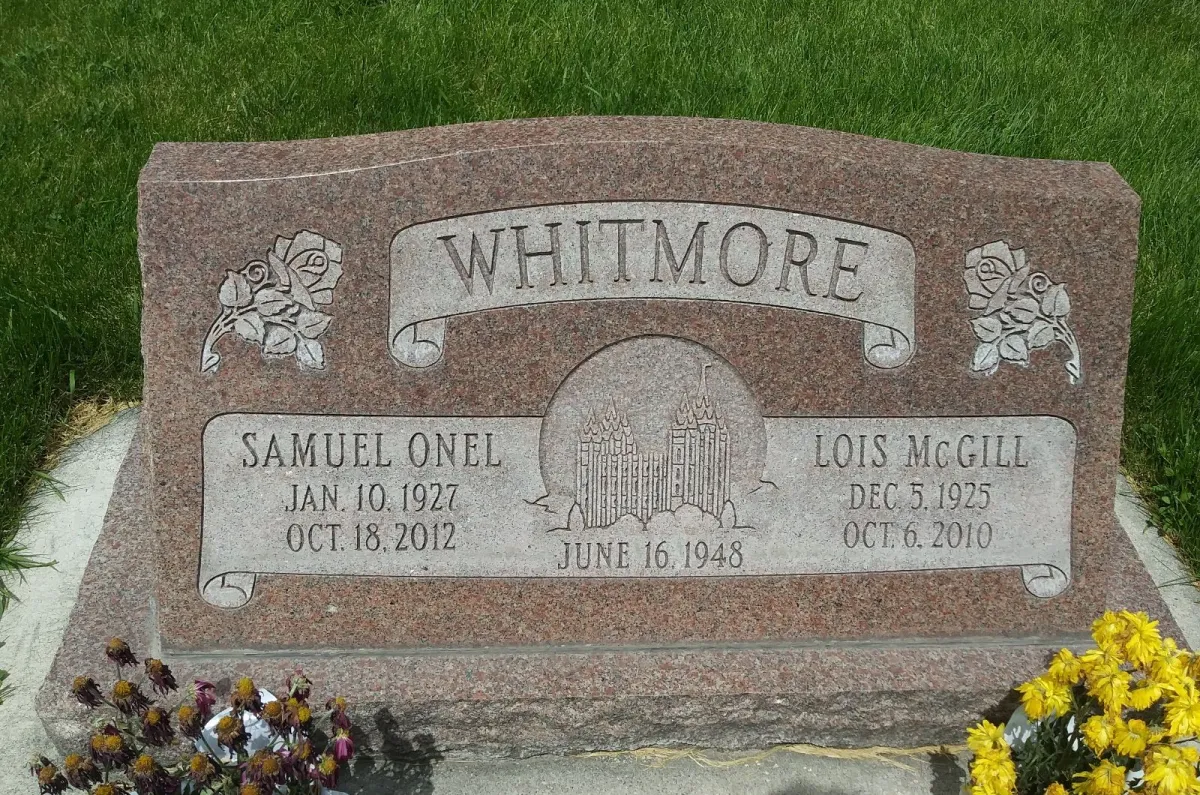 Photo: Samuel Whitmore, via images.findagrave.com
One evening, frustrated by the railroad's heavy-handed tactics, Whitmore was flipping through an 1884 territorial code when he stumbled across something remarkable. Buried in Section 47-B of the Montana Territorial Railroad Regulation Act was a clause that essentially gave towns veto power over railroad operations within their borders.
The law stated that any municipality incorporated before statehood could revoke railroad operating privileges if the company violated "community standards of beneficial commerce." It was a relic from the days when territorial legislators worried about railroad monopolies crushing local businesses.
The Most Expensive Paperwork Mistake in Railroad History
Whitmore realized the Great Northern Railway had never formally requested permission to operate in Millerville — they'd simply assumed territorial-era approvals carried over automatically into statehood. Legally speaking, they'd been trespassing for a quarter-century.
On March 15, 1912, Mayor Catherine Brennan (yes, Millerville had a female mayor in 1912) served the Great Northern Railway Company with official notice: they had thirty days to cease operations and remove their infrastructure from town limits.
The railroad's lawyers laughed it off until they actually read the territorial statute. Then they stopped laughing.
Great Northern's legal team spent two frantic weeks trying to find loopholes, but Whitmore had done his homework. The law was ironclad, and Montana's state courts upheld it. The railroad giant that had built an empire across the northern United States was legally required to pack up and leave a town of 847 people.
When Goliath Blinked First
Rather than fight a potentially precedent-setting case that might encourage other towns to dig up forgotten laws, Great Northern chose the expensive route: compliance.
The company spent $2.3 million (roughly $65 million today) rerouting their main line around Millerville's expanded town limits. They built a new station three miles east and relocated their entire local workforce. The process took eight months and required rebuilding 47 miles of track through significantly more challenging terrain.
Meanwhile, Millerville used its newfound leverage to negotiate something unprecedented: the railroad had to pay the town $50,000 in "infrastructure compensation" — essentially rent for the twenty-five years they'd operated without proper permission.
The Town That Rewrote Its Own Map
With the railroad money and the freedom to plan their own future, Millerville did something remarkable. Instead of simply expanding where the tracks used to run, they completely reimagined their town layout.
The former rail yard became a central park. Main Street was extended and widened. The town built a proper municipal building, a library, and even a small opera house. Millerville transformed from a railroad depot into something closer to the idealized American small town its residents had always wanted.
The new train station, while less convenient, actually proved beneficial. The three-mile distance meant Millerville kept the economic benefits of railroad access without the noise, pollution, and constant disruption of heavy freight traffic rolling through their downtown.
The Legal Loophole That Disappeared
Word of Millerville's victory spread quickly through Montana's legal community, and several other towns began researching their own territorial-era rights. This prompted the state legislature to quietly close the loophole in 1913, grandfathering in existing railroad operations and requiring future challenges to meet much stricter criteria.
Whitmore became something of a folk hero among small-town lawyers, though he never took another case against a railroad company. He claimed he'd made his point and preferred collecting old law books to making new enemies.
The Aftermath That Nobody Saw Coming
Millerville's victory had an unexpected consequence: it became a tourist destination. People traveled from across the region to see "the town that beat the railroad." The publicity brought new businesses, new residents, and a prosperity that lasted well into the 1920s.
Today, Millerville is still there, population now around 1,200. The central park where the rail yard used to sit hosts an annual "Railroad Days" festival, complete with historical reenactments of the day Mayor Brennan served eviction papers to one of America's most powerful corporations.
Samuel Whitmore's law office has been preserved as a museum, his territorial law books still on display. A plaque outside reads: "Sometimes the biggest victories come from the smallest print."
It's a reminder that in America, even the mightiest corporations can be brought low by ordinary citizens who take the time to read the fine print — especially when that fine print was written by people who understood that democracy means the little guy gets to fight back.