The Japanese Soldier Who Fought a War That Ended Three Decades Earlier
When Loyalty Becomes a Prison
Picture this: it's 1974, Richard Nixon has just resigned, and somewhere in the dense jungles of the Philippines, a Japanese soldier is still fighting World War II. Not metaphorically — literally. Lieutenant Hiroo Onoda had been crouched in those steaming forests for nearly three decades, convinced that everything he'd heard about Japan's surrender was enemy propaganda designed to trick him into giving up.
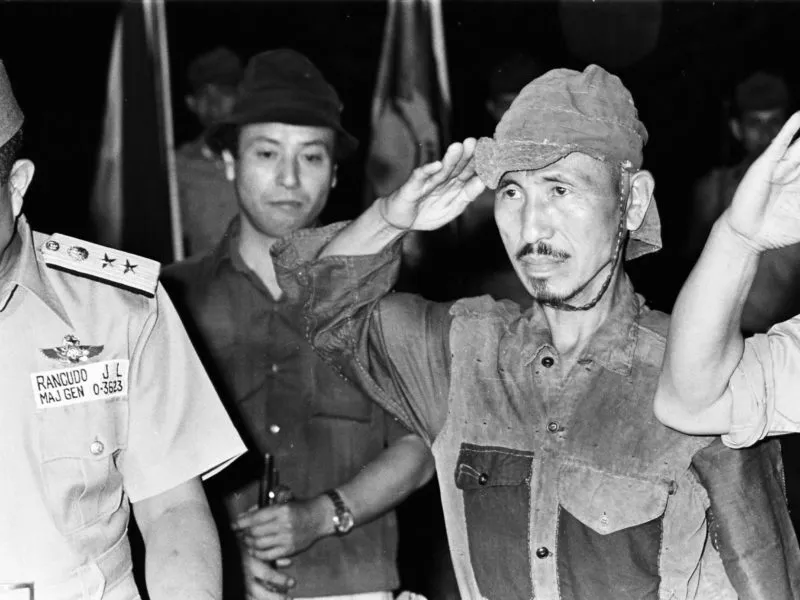 Photo: Hiroo Onoda, via www.historynet.com
This isn't a story about someone who got lost and couldn't find his way home. This is about a man so committed to his mission that reality itself couldn't penetrate his resolve.
The Mission That Never Ended
In 1944, Onoda was a 22-year-old intelligence officer trained in guerrilla warfare when he received orders that would define the rest of his life. His commanding officer, Major Yoshimi Taniguchi, stationed him on Lubang Island with explicit instructions: conduct guerrilla operations, gather intelligence, and under no circumstances surrender — even if Japanese forces appeared to retreat.
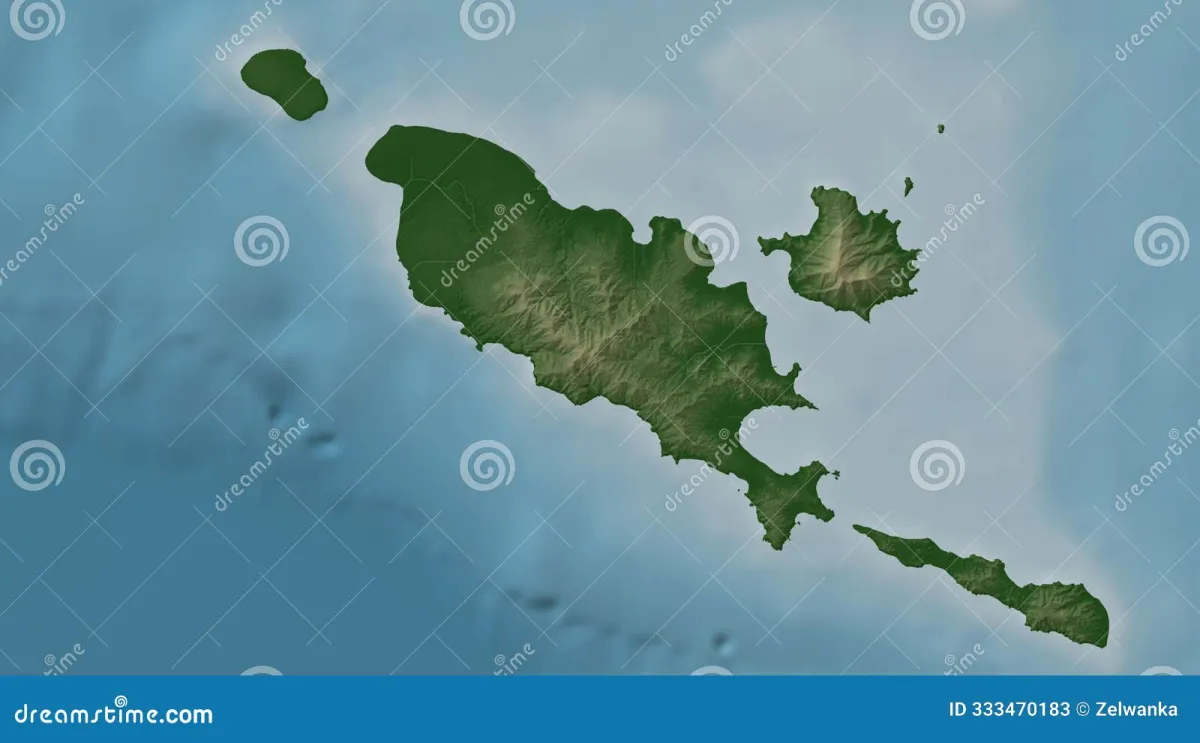 Photo: Lubang Island, via thumbs.dreamstime.com
"You are absolutely forbidden to die by your own hand," Taniguchi told him. "It may take three years, it may take five, but whatever happens, we'll come back for you."
Those words became Onoda's gospel. When Allied forces invaded the Philippines and Japanese troops began withdrawing, Onoda and three other soldiers melted into the jungle to wait for reinforcements that would never come.
Ignoring a World at Peace
What happened next defies everything we understand about accepting reality. For months, then years, then decades, Onoda encountered countless pieces of evidence that the war was over. Leaflets dropped from planes announced Japan's surrender. Local newspapers carried stories about the country's reconstruction. Filipino search parties called his name through loudspeakers, pleading with him to come home.
Onoda dismissed it all as psychological warfare. The Americans and Filipinos, he reasoned, were simply getting more sophisticated in their deception tactics. Even when one of his companions surrendered in 1950 and another was killed in 1954, Onoda pressed on with the last remaining soldier, Corporal Shoichi Shimada.
A War of One
By the 1960s, Onoda's "war" had become a bizarre dance of survival and stubbornness. He and Shimada lived off the land, stealing rice and livestock from local farmers, occasionally engaging in firefights with Philippine police who treated them more like dangerous wildlife than enemy combatants. They repaired their rifles with salvaged parts and mended their rotting uniforms with plant fibers.
The outside world began to take notice. Japanese search parties combed Lubang Island multiple times, leaving family photos and personal messages. Onoda's brother even joined one expedition, shouting familiar childhood memories through the forest. But Onoda had constructed an unshakeable logic: if Japan had really won the war, why weren't there Japanese officials giving him direct orders? If Japan had lost, why would he trust anything the enemy told him?
When Shimada was killed in a skirmish with Philippine forces in 1972, Onoda found himself truly alone — the last soldier fighting a war that had ended when Harry Truman was still president.
The Only Voice He'd Listen To
What finally broke through Onoda's wall of conviction wasn't reason, evidence, or family pleas. It was a 29-year-old Japanese college dropout named Norio Suzuki who decided to go looking for him as part of a personal quest to find "Lieutenant Onoda, a panda, and the Abominable Snowman — in that order."
Suzuki actually found Onoda in February 1974, but the lieutenant still refused to surrender. He would only accept orders from his original commanding officer, he insisted. Suzuki returned to Japan and somehow tracked down Major Taniguchi, now a civilian bookseller who had long assumed Onoda was dead.
The Final Order
On March 9, 1974, Major Taniguchi flew to the Philippines and hiked into the jungle where his former subordinate had been waiting for nearly 30 years. In a surreal ceremony witnessed by Philippine officials, the elderly major formally relieved Onoda of his duties.
"Lieutenant Onoda, by order of your commanding officer, I relieve you of your mission," Taniguchi announced. Only then — after 10,957 days — did Hiroo Onoda finally surrender his sword, his rifle, and his war.
The Uncomfortable Questions
Onoda's story forces us to confront uncomfortable truths about loyalty, duty, and the power of conviction. Here was a man whose dedication was so absolute that it became indistinguishable from delusion. His refusal to accept reality cost lives — both his comrades and Filipino civilians — yet his unwavering commitment to his mission remains almost impossible to comprehend in our age of flexible loyalties.
When Onoda finally returned to Japan, he found a country he didn't recognize. The Japan he'd been fighting for — imperial, militaristic, honor-bound — had been replaced by a peaceful, prosperous democracy. He'd spent three decades preserving something that no longer existed.
The most unsettling part? Onoda never expressed regret about his 29-year war. He'd received an order, and he'd followed it to the letter. In his mind, he'd done exactly what any good soldier should do.
Sometimes the most jolting truth is that reality isn't nearly as powerful as we think it is — especially when it's up against the human capacity for absolute, unshakeable belief.