The Melted Candy Bar That Revolutionized Every American Kitchen
The Sweet Discovery That Changed Everything
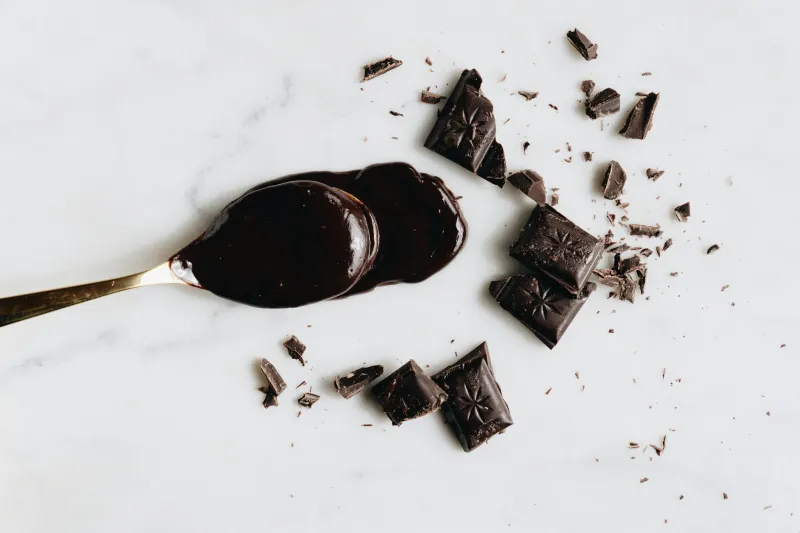
Percy Spencer was having a perfectly ordinary day at Raytheon in 1945 when physics decided to rearrange his lunch plans. The engineer was standing near a military radar transmitter called a magnetron, testing the device that helped win World War II by detecting enemy aircraft. When he reached into his pocket for a snack, he found something that shouldn't have been possible: his chocolate bar had turned into a gooey mess.
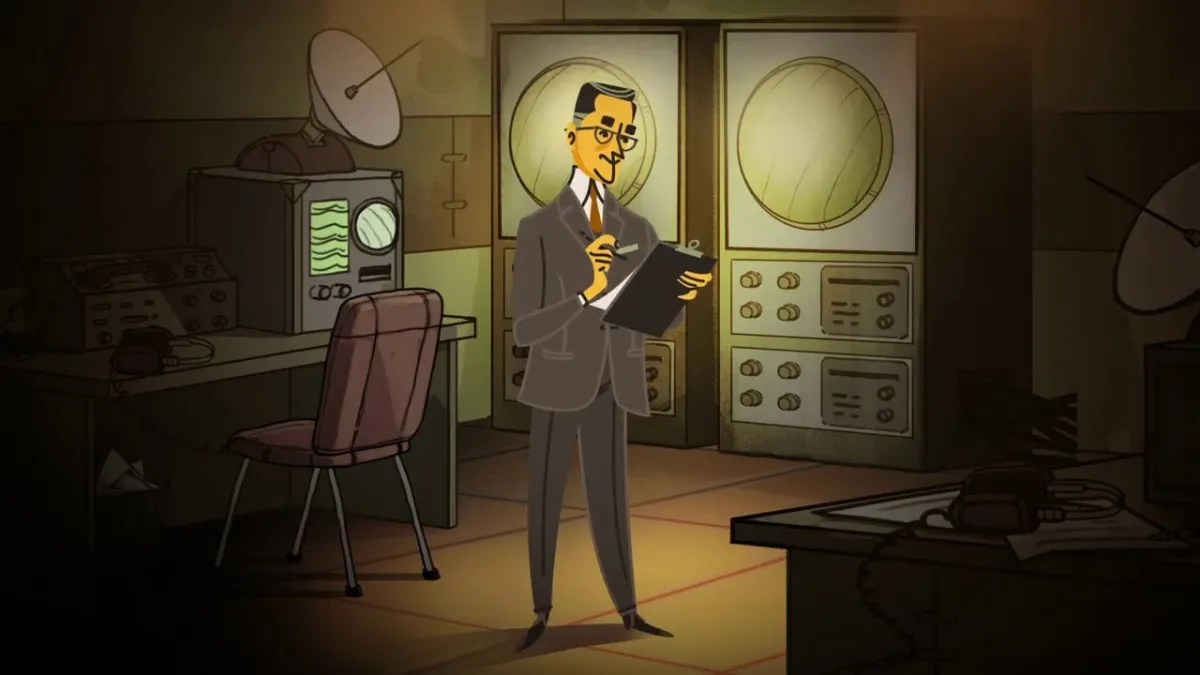 Photo: Percy Spencer, via i.ytimg.com
Most people would have cursed their luck, tossed the wrapper, and moved on. Spencer did something different. He stared at that melted chocolate and asked the kind of question that changes the world: "What just happened here?"
When Popcorn Became a Science Experiment
The next day, Spencer returned to work with a bag of popcorn kernels. He placed them near the magnetron and watched as they began dancing, then exploding into fluffy white puffs. The radar waves were somehow cooking food at a distance, without flame or visible heat.
But Spencer wasn't done experimenting. He grabbed an egg, cut a hole in its shell, and positioned it near the magnetron. Within seconds, the egg exploded, covering a skeptical colleague's face with hot yolk. The accidental discovery was becoming a deliberate investigation.
The Physics Nobody Expected
What Spencer had stumbled upon was the peculiar behavior of microwaves—electromagnetic radiation at a frequency of 2.45 gigahertz. These waves make water molecules vibrate roughly 2.45 billion times per second, generating heat through friction. It's the same principle that makes your hands warm when you rub them together, except happening at a molecular level inside food.
The magnetron had been designed to bounce these waves off enemy planes, not cook dinner. But Spencer realized that what worked for detecting German bombers might also work for heating leftovers.
From Radar to Refrigerator-Sized Monster
Within two years, Spencer had filed patents for what he called the "Radarange." The first commercial microwave oven stood six feet tall, weighed 750 pounds, and cost $5,000—roughly $60,000 in today's money. It required water cooling and consumed 3,000 watts of power, enough to dim the lights in most homes.
Restaurants and ships bought these behemoths, but the idea of having one in your kitchen seemed as ridiculous as parking a locomotive in your garage. The Radarange was a curiosity, not a convenience.
The Long Road to Every Kitchen
It took another 20 years for engineers to shrink Spencer's discovery into something resembling the countertop boxes we know today. The breakthrough came when Japanese manufacturers figured out how to mass-produce smaller, cheaper magnetrons.
By 1975, microwave ovens were outselling gas ranges in America. By 1986, they were in 25% of American homes. Today, finding a kitchen without one is like finding a car without seatbelts—technically possible but practically unthinkable.
The Accident That Rewired America
Spencer's melted chocolate bar didn't just create a new appliance; it fundamentally changed how Americans eat. Frozen dinners became possible. Leftovers became palatable. The phrase "nuke it" entered the language. Busy families could heat food in minutes instead of hours.
The microwave also democratized cooking in unexpected ways. College students could survive on more than cold cereal. Office workers could heat lunch without leaving the building. The device that started as military radar became the great equalizer of American kitchens.
The Sweet Legacy of Serendipity
Percy Spencer died in 1970, just as his accidental invention was beginning its march toward ubiquity. He held 300 patents but is remembered for the one that began with a sticky pocket and a curious mind.
The next time you reheat pizza or defrost chicken in 30 seconds, remember that you're benefiting from one of history's most delicious accidents. Sometimes the best discoveries happen when we pay attention to the things that go wrong—and ask why they went wrong in the first place.
That melted chocolate bar proves that progress often comes disguised as inconvenience, and the future sometimes announces itself with nothing more dramatic than a ruined snack.